How Chasing 'Realness' Can Keep You Stuck in an Older Version of Yourself

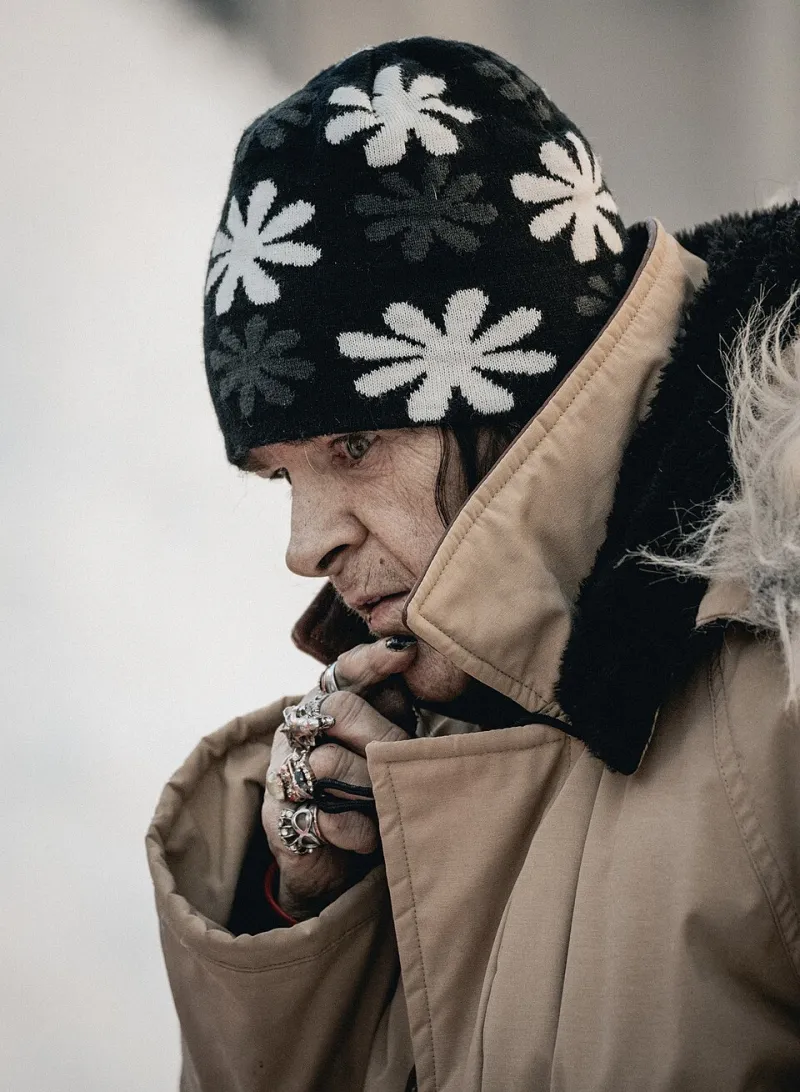
Photo: Giles Laurent, CC BY-SA 4.0, via Wikimedia Commons
Somewhere along the way, authenticity became the highest compliment you could pay a person. Be real. Stay true to yourself. Don't let anyone change you. It's plastered across Instagram bios, TED Talk stages, and self-help book covers from coast to coast. And honestly? There's real wisdom buried in there.
But here's the thing I keep bumping into — both in my own life and in the stories of people I've spent years watching, listening to, and writing about. Sometimes the loudest defenders of their "authentic self" are the people most afraid of becoming something new.
That's not a criticism. It's an observation worth sitting with.
When 'Being Real' Becomes a Comfort Zone With a Better PR Team
Let's be honest about what authenticity culture often looks like in practice. Someone decides they're an introvert who hates networking, so they stop going to events that make them uncomfortable — and call it staying true to themselves. Someone identifies as a creative type who "just isn't good with money," so they never learn to manage their finances — and frame it as not compromising their artistic soul. Someone stays in a career that stopped challenging them years ago because leaving would mean admitting they've changed — and change feels like betrayal.
See the pattern? The authentic self becomes a fixed identity. A snapshot taken at some point in the past, then treated like a permanent portrait.
The problem is that human beings aren't snapshots. We're moving pictures. And the moment you start treating your current self as the final, definitive version — the one that must be protected from outside influence — you've essentially stopped growing.
That's not authenticity. That's calcification.
The Values vs. Personality Distinction Nobody Talks About
Here's a framework I've found genuinely useful: there's a meaningful difference between your values and your personality traits, and authenticity only really applies to one of them.
Your values — honesty, loyalty, creativity, fairness, whatever yours happen to be — those are worth protecting fiercely. Those are the through-line of who you are across decades and circumstances. When someone asks you to compromise those, pushing back isn't stubbornness. It's integrity.
But your personality traits? Your habits, your comfort zones, your preferred ways of operating in the world? Those are much more malleable than most of us admit. And more importantly, they should be. The version of you that existed at 22 had different skills, different fears, and different blind spots than the version of you reading this right now. Neither version is more "real" than the other — they're just different points on a longer journey.
The authenticity trap kicks in when we start treating personality traits like values. When "I'm not a morning person" becomes as sacred as "I believe in treating people with respect." When "I'm bad at confrontation" gets defended with the same energy as "I won't lie to make someone feel better."
One of those is a value. The other is just a habit you've had for a while.
The Vulnerability Paradox
Modern authenticity culture has also done something interesting with vulnerability. Being open about your struggles, your failures, your messy in-between moments — that's now seen as the ultimate form of realness. And again, there's something genuinely valuable there. Pretending everything is fine when it isn't is exhausting and isolating.
But vulnerability can also become a performance. A way of saying "this is who I am" that subtly closes the door on "this is who I'm becoming."
I've seen people share their anxiety, their self-doubt, their creative blocks with real honesty — and then use that same honesty as a reason not to push through those things. As if acknowledging a struggle is the same as accepting it as permanent. As if being real about your limitations means you're not allowed to exceed them.
Vulnerability is most powerful when it's paired with forward motion. When it's a starting point, not a destination.
What Genuine Authenticity Actually Looks Like
So what's the alternative? Am I saying you should reinvent yourself every six months, chase every trend, and pretend your past doesn't matter? Not even close.
Genuine authenticity — the kind that actually serves you — looks more like this:
It's anchored in values, not frozen in personality. You know what you stand for, and that doesn't change based on who's in the room. But how you show up, what skills you're building, what challenges you're willing to take on — those evolve constantly.
It's honest about discomfort without being ruled by it. You can say "this is hard for me" and still do it. In fact, the most authentic thing you can often do is acknowledge that you're uncomfortable and move forward anyway. That's not inauthenticity. That's courage.
It allows for contradiction. You can be someone who loves solitude and also someone who's learning to collaborate more effectively. You can be someone who's struggled with confidence and also someone who's working to develop it. Holding both of those things at once isn't fake — it's human.
It's future-oriented. The most authentic version of you isn't the one you've already been. It's the one you're in the process of becoming. Your past self is data, not destiny.
A Question Worth Asking Yourself
Next time you catch yourself defending a behavior or pattern with "that's just who I am" or "I'm being authentic," try pausing long enough to ask one honest question: Is this actually a value I'm protecting, or is it a habit I'm comfortable with?
If it's a value — stand your ground. Seriously. Not everything should be negotiable, and knowing what isn't is part of knowing yourself.
But if it's a habit? If it's a way of operating that you've just never really questioned? That might be worth a second look. Not because someone else told you to change. Not because you're trying to perform a better version of yourself for an audience. But because the whole point of being alive is to keep finding out what you're capable of.
The most interesting lives I've ever come across — and I've been lucky enough to come across quite a few — belong to people who stayed true to what they believed in while remaining genuinely curious about who they might still become.
That's not a contradiction. That's the whole game.