Confession Isn't a Personality: When 'Being Honest' Crosses Into Emotional Dumping

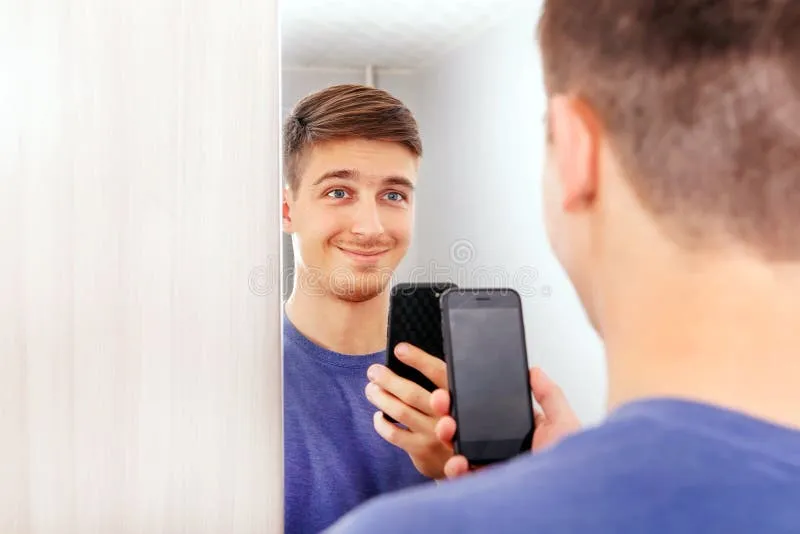
Photo: DoD photo by Erin A. Kirk-Cuomo (Released), Public domain, via Wikimedia Commons
Somewhere along the way, American culture decided that raw equals real. That the more unfiltered your disclosure, the more authentic you must be. We've built entire media ecosystems around this idea — reality TV, trauma-forward podcast monologues, social media threads that open with "I've never told anyone this before" and rack up thousands of likes before noon.
I get the appeal. I genuinely do. After years of living a life that didn't exactly follow the standard playbook, I learned early that honesty has power. But I also learned something that doesn't get talked about nearly enough: honesty without intention is just noise.
So let's talk about the authenticity trap — that seductive place where oversharing gets dressed up in the language of vulnerability and paraded around like it's some kind of virtue.
The Difference Between Opening Up and Unloading
Here's a question worth sitting with: When you share something personal, who are you doing it for?
That's not a gotcha. It's a genuine diagnostic. Because real vulnerability — the kind that actually connects people — is fundamentally an act of giving. You're offering a piece of your experience so that someone else can feel less alone, gain a new perspective, or understand something they couldn't before.
Emotional dumping, on the other hand, is an act of taking. You're offloading something uncomfortable and asking your audience to absorb it, process it, and ideally validate you for having felt it in the first place.
Both can look identical from the outside. That's what makes this so tricky.
A person who shares their struggle with addiction to help someone else recognize the warning signs they missed? That's vulnerability doing its job. A person who recounts every painful detail of their worst year because the attention feels good and the silence feels unbearable? That's a different animal entirely — even if the content is technically the same.
When Performance Sneaks Into Personal Storytelling
One of the more uncomfortable truths about the current culture of public vulnerability is that it can be performative without the person even realizing it. This isn't about calling anyone a fraud. It's about recognizing that human beings are wired to seek connection and approval, and sometimes those instincts hijack what starts as a genuine impulse.
You've probably seen it — maybe you've even done it. The Instagram caption that spirals from a caption into a full emotional breakdown. The dinner conversation where someone's "being real" slowly takes over the entire table. The podcast guest who keeps returning to their trauma not because it serves the story, but because the story keeps returning to them.
The telltale signs are usually subtle:
- The sharing escalates rather than resolves
- There's an implicit ask for reassurance baked into the disclosure
- The storyteller seems energized by the reaction rather than the connection
- Details are included that serve shock value more than understanding
None of this makes someone a bad person. But it does make them a less effective storyteller — and potentially, a burden to the people around them.
A Simple Framework for Checking Your Own Motives
Before sharing something personal — whether in conversation, in writing, or online — I've found it useful to run through a few honest questions. Not to censor yourself, but to clarify your purpose.
1. What do I want the other person to walk away with? If the answer is "sympathy" or "to know what I've been through," that's worth examining. If the answer is "a useful insight" or "a feeling of not being alone," you're probably on solid ground.
2. Have I processed this enough to share it? Raw, unprocessed emotion has its place — usually in therapy, in a journal, or with a very close friend who's signed up for that role. Sharing something you haven't yet made sense of yourself puts the emotional labor on your audience. That's not vulnerability. That's outsourcing.
3. Does this story have a shape? Good personal storytelling, even when it's painful, has a point of view. It moves somewhere. If your disclosure is just a pile of feelings with no narrative arc, it's probably not ready to be shared publicly.
4. Am I including details that serve the listener or details that serve my need to be witnessed? This one stings a little, but it's worth asking. The specifics you choose reveal a lot about your actual intention.
Authenticity That Actually Earns the Name
Here's what I believe about real authenticity, after a life spent learning this the hard way: it's not about how much you reveal. It's about how purposefully you reveal it.
Some of the most authentic people I've ever encountered share very little about themselves — but what they do share lands with weight because it's been chosen carefully and offered generously. Meanwhile, some of the most prolific confessors I've known left everyone around them feeling vaguely exhausted and somehow more alone.
Authenticity is a craft. It takes the same discipline as any other form of storytelling — knowing what to include, what to leave out, and above all, who you're telling the story for.
The best personal stories I've come across — the ones that stay with you, that shift something in how you see the world — aren't necessarily the most shocking or the most exposed. They're the ones where someone clearly did the work of turning their experience into something worth sharing. Where the mess has been examined, not just displayed.
The Bottom Line
There's nothing wrong with being open. Openness is good. Honesty matters. But confession, on its own, isn't a story — it's a symptom. And mistaking the two can leave you thinking you're connecting when you're actually just broadcasting.
Next time you feel the pull to share something raw and personal, pause for a beat. Ask yourself whether you're handing someone a gift or handing them a bill. The answer will tell you everything you need to know about whether you're being vulnerable or just being loud.
Because the goal was never to have no filter. The goal was always to have the right one.